
Aggregate Scrubbing Equipment
When Washing Alone Isn't EnoughRemove stubborn clay, break down clay-bound aggregates and separate unwanted contaminants with Terex Washing Systems’ static and modular scrubbing equipment.
Why Some Aggregates Need Scrubbing
Not all dirty aggregates are created equal.
Loose dirt, sand and silt can often be removed using a conventional wash screen. But what happens when the material is coated in sticky clay, bound together in lumps or mixed with contaminants such as wood, plastics and organic matter?
Simply adding more water isn’t necessarily the answer.
Scrubbing equipment uses mechanical agitation and particle-on-particle attrition to break down clay-bound material, loosen surface coatings and liberate contaminants so they can be separated from the aggregate.
The type of scrubbing equipment required depends on the characteristics of the feed material, the nature of the contaminants and the quality of the finished products you’re trying to produce.
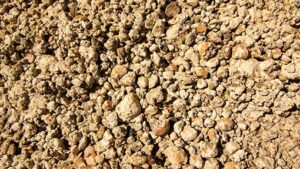
Clay-Bound Aggregates
Break down clay lumps and loosen stubborn coatings that conventional washing may leave behind.
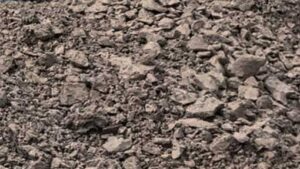
Difficult Natural Deposits
Recover usable aggregates from clay-rich deposits and suitable overburden materials.
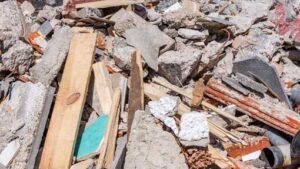
Construction & Demolition Waste
Liberate and separate unwanted contaminants to recover reusable aggregates.
How Aggregate Scrubbing Works
Unlike conventional washing, which relies primarily on water to remove loose material, scrubbing uses mechanical energy to break down clay-bound material and loosen contaminants.
Inside a Log Washer
Two counter-rotating shafts fitted with paddles aggressively mix the aggregate. The resulting material-on-material contact creates friction, known as attrition, which helps break down clay lumps and remove stubborn surface coatings.
Water carries liberated clay, silt and lightweight contaminants away from the aggregate. The scrubbed material can then be rinsed and screened into individual product sizes.
The intensity of scrubbing required depends on the feed material, the type of clay present and the desired finished product quality.
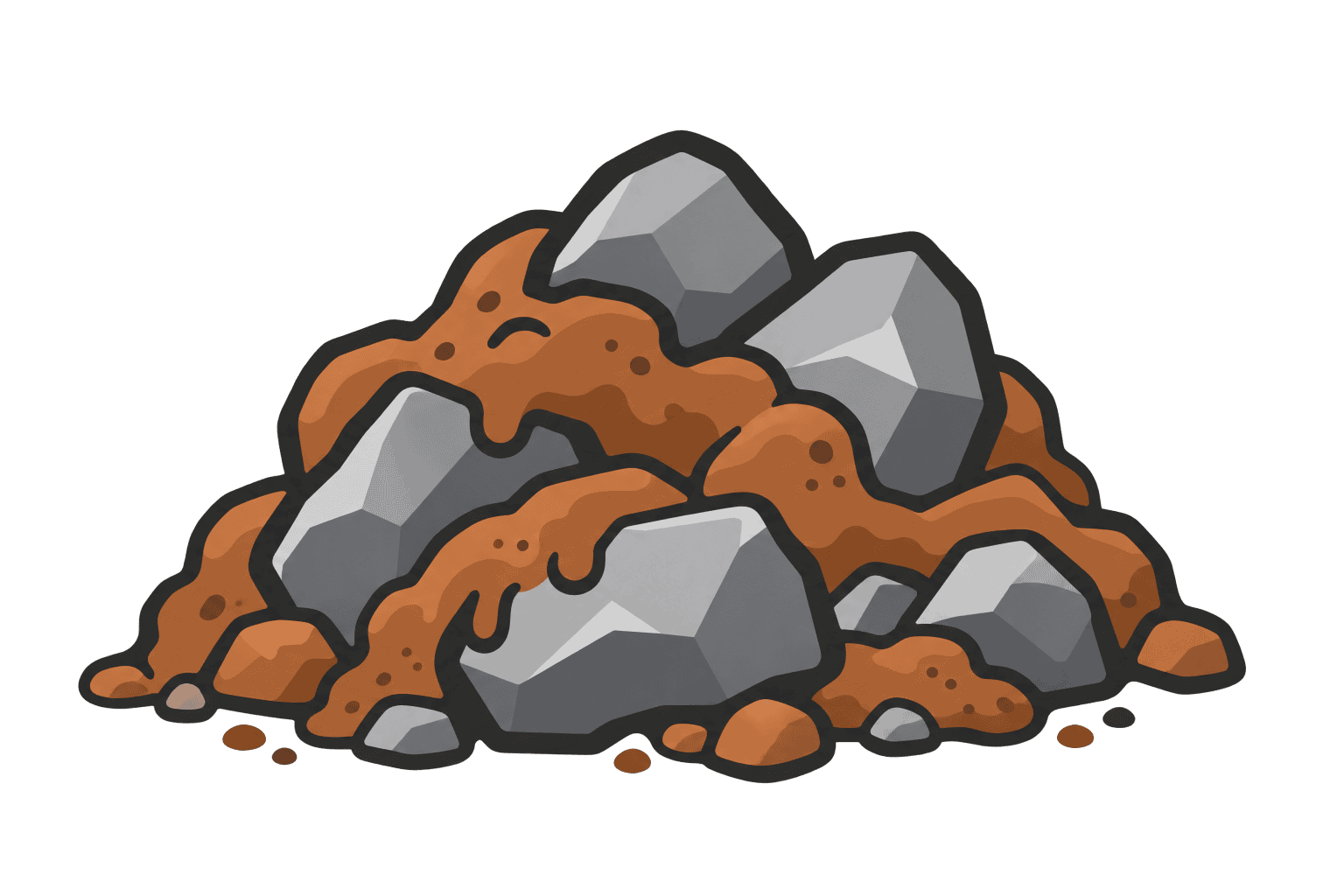
Raw Feed
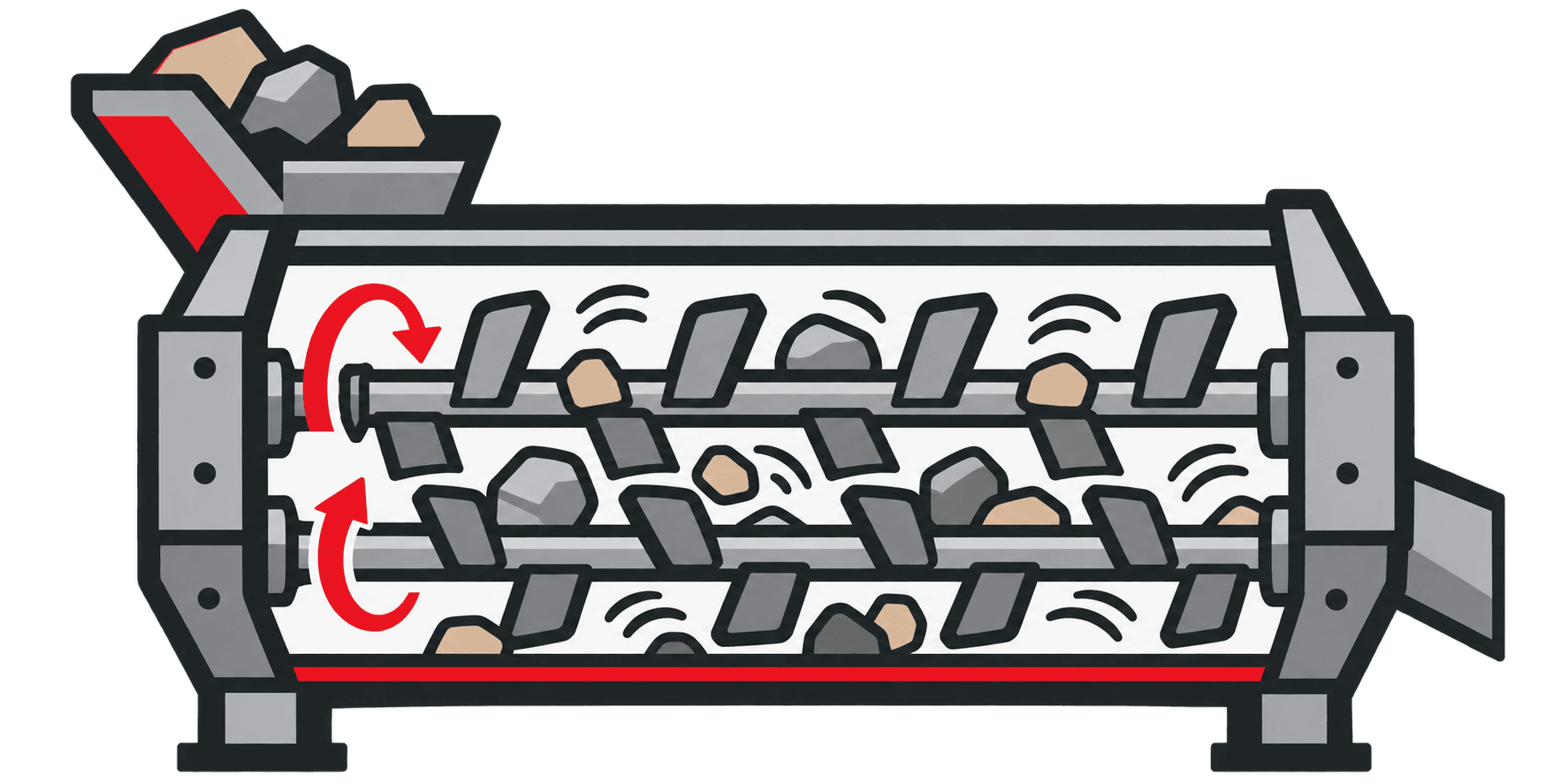
Mechanical Scrubbing
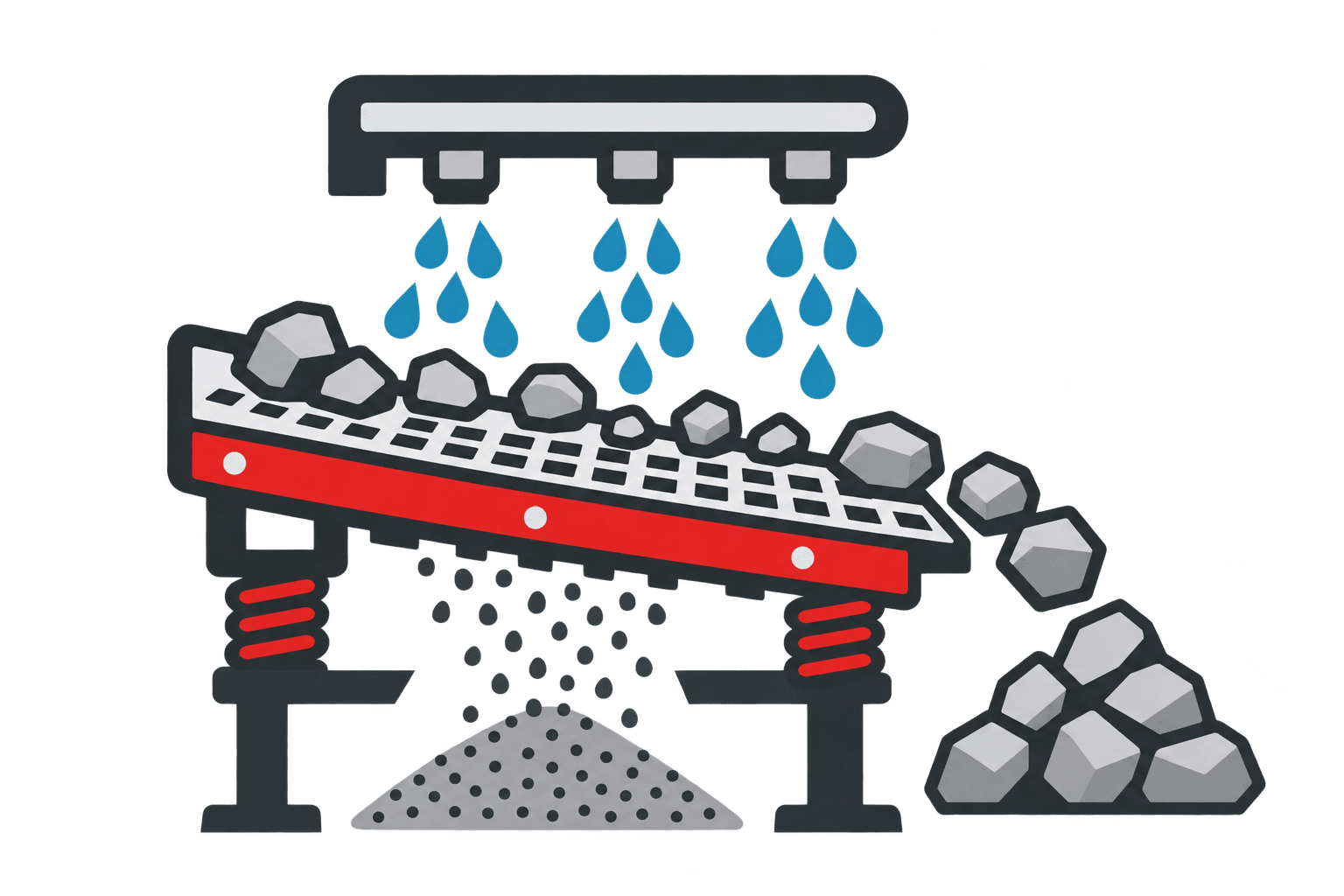
Rinse & Separate
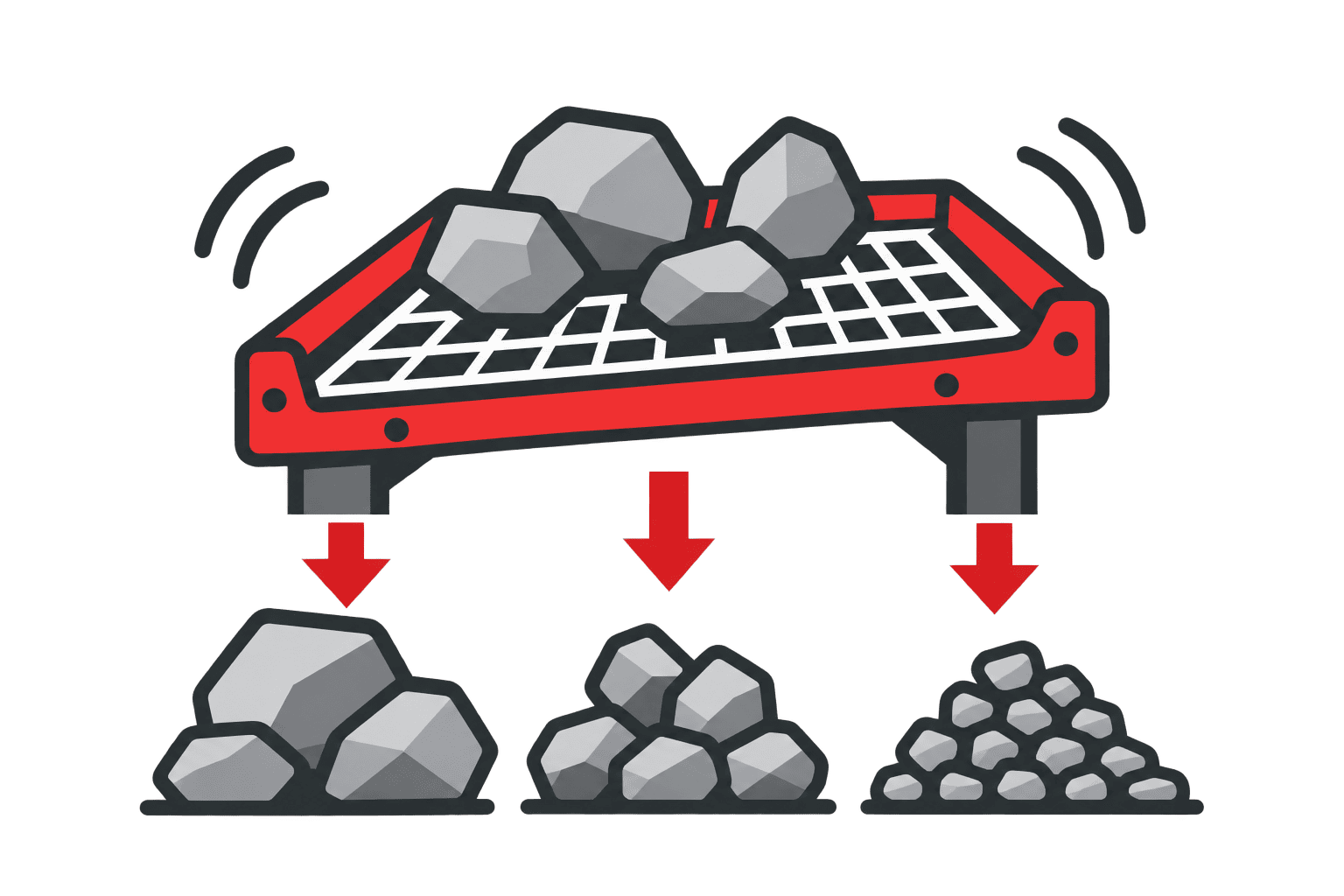
Clean Aggregate
Raw Feed
Mechanical Scrubbing
Rinse & Separate
Clean Aggregate
Clay-bound or contaminated aggregate enters the system.
Rotating paddles and particle-on-particle attrition liberate contaminants.
Water and screening separate liberated contaminants from the aggregate.
Scrubbed material is sied into finished products.
Scrubbing Equipment from Terex Washing Systems
From clay-rich natural deposits to construction and demolition waste, different materials present different processing challenges. Terex Washing Systems offers a range of scrubbing equipment designed to handle difficult feed materials, remove contaminants and improve finished aggregate quality.
These systems can be incorporated into new washing plants or integrated into existing operations.
HydroScrub 200
Two Operating Modes. Greater Processing Flexibility.
The Terex HydroScrub 200 combines aggressive scrubbing and lightweight contaminant separation in a versatile modular system.
What sets the HydroScrub apart is its ability to operate in either Log Washer or HydroScrub mode. An adjustable hull angle, variable-speed shafts and upward water injection allow operators to adapt the scrubbing process to changing feed conditions.
This makes it particularly well suited to recycling operations where the composition of incoming material can vary considerably.

Key Features
Dual operating modes for different feed characteristics
Hydraulically adjustable hull angle
Variable-speed scrubbing shafts
Upward water injection to assist lightweight contaminant separation
Automated touchscreen controls
Integrated rinsing and grading capabilities
Typical Applications
Construction and demolition waste, clay-bound aggregates, excavated materials and aggregates containing wood, plastics and organic contaminants.
AggreScrub 150 Log Washer
Scrub. Rinse. Size. Separate.
The Terex AggreScrub 150 combines aggressive log washing, contaminant separation, rinsing and aggregate sizing on a single modular chassis.
Counter-rotating shafts fitted with paddles create intense material-on-material attrition, breaking down clay lumps and loosening stubborn coatings. Lightweight contaminants such as wood and plastics are separated from the aggregate during the washing process.
The AggreScrub 150 can be incorporated into a new washing plant or integrated into an existing operation where additional scrubbing is required.

Key Feaures
Twin-shaft log washer for aggressive scrubbing
Integrated lightweight contaminant separation
Rinsing and screening of scrubbed aggregates
Modular, pre-wired and pre-plumbed design
Multiple paddle configurations to suit different material characteristics
Automated touchscreen controls
Typical Applications
Construction and demolition waste recycling, soil washing, clay-bound sand and gravel deposits, and aggregates containing lightweight contaminants.
The AggreScrub 150 can also be combined with the AggreSand modular washing plant to provide an integrated solution for aggregate scrubbing, washing, sizing and sand recovery.
PowerScrub Log Washers.
Aggressive Scrubbing for Difficult Materials
The Terex PowerScrub is a twin-shaft log washer designed to break down clay-bound aggregates and remove stubborn contaminants that conventional washing cannot effectively separate.
Two counter-rotating shafts fitted with replaceable paddles intensively mix the material, creating particle-on-particle attrition that breaks down clay lumps and loosens surface coatings.
Unlike the AggreScrub 150, which incorporates scrubbing, rinsing and sizing on a single chassis, the PowerScrub is designed to operate as an individual processing component within a larger washing system.

Key Features
Twin counter-rotating shafts for aggressive scrubbing
Replaceable scrubbing paddles
Intensive particle-on-particle attrition
Suitable for natural and recycled aggregates
Can be integrated into new or existing washing plants
Typical Applications
Clay-bound sand and gravel deposits, suitable overburden materials, construction and demolition waste, and aggregates requiring intensive scrubbing before final rinsing and sizing.
Choosing the Right Scrubbing Equipment
Choosing a scrubber isn’t simply a matter of production capacity.
The characteristics of your feed material, the type and amount of contamination, the required finished products and your existing plant configuration all influence equipment selection.
Whether you need a standalone log washer to improve an existing washing circuit or a modular system that combines scrubbing, rinsing and sizing, understanding your material is the first step toward selecting the right equipment.
| Feature | HydroScrub 200 | AggreScrub 150 | PowerScrub |
|---|---|---|---|
| Equipment Type | Modular scrubbing plant | Modular scrubbing plant | Standalone log washer |
| Scrubbing Method | Dual-mode mechanical scrubbing | Twin-shaft log washing | Twin-shaft log washing |
| Lightweight Contaminant Removal | Assisted by upward water injection | Flotation and integrated trash screen | Flotation with water injection |
| Rinsing and Sizing | Integrated | Integrated | Separate equipment required |
| Primary Advantage | Adaptability to variable feed materials | Integrated scrubbing and sizing | Flexibility within a larger washing circuit |
| Typical Applications | Variable recycled and contaminated aggregates | Natural and recycled aggregates requiring scrubbing and sizing | Clay-bound aggregates and dedicated scrubbing applications |
Start With the Material, Not the Machine
Feed gradation, clay characteristics, contaminant levels and finished-product requirements all influence scrubbing equipment selection. Material testing and application analysis can help determine the appropriate equipment and plant configuration before investing in a washing system.
Talk with a washing expert.
We understand that every sand washing and classifying requirement is unique. Our team of experts will work closely with you to tailor a solution that fits your specific needs, ensuring maximum effectiveness.
Contact us now to learn more about our innovative solutions and how we can help you achieve cleaner, higher-quality sand for your business. Take the first step towards better sand today!