
Expand Your Existing Wash Plant. Recover More Value.
Recover more saleable sand, reduce pond losses, recycle process water, and increase profitability without replacing your entire plant.✓ Recover more fines
✓ Reduce water consumption
✓ Improve product quality
✓ Upgrade one process at a time
How BA Dawson Blacktop Turned Waste Sand into High-Spec Concrete Sand While Reusing 85% of Process Water
Many aggregate producers already have a wash plant producing clean, saleable aggregate. But what happens to the material that doesn’t become a finished product?
In many operations, valuable sand and fine material can end up in waste streams or settling ponds simply because there isn’t a way to recover it.
Rather than replacing an existing wash plant, BA Dawson Blacktop saw an opportunity to build on what was already working.
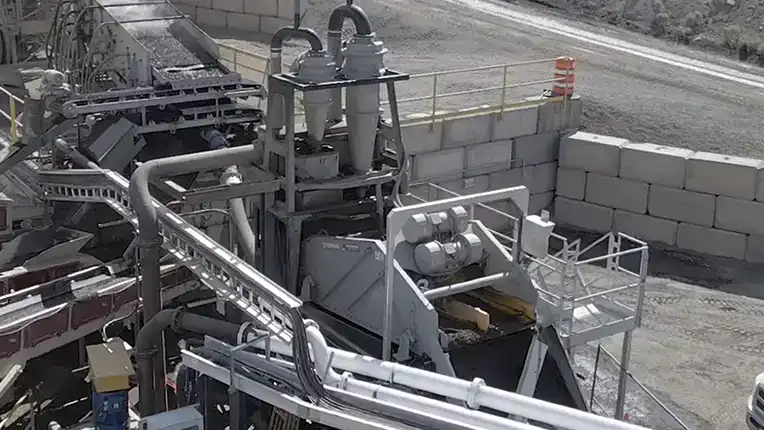
By expanding its existing washing circuit with a Terex Washing Systems FM120-2G, deep cone thickener, and floc dosing system, the operation is now recovering a high-spec concrete sand and improved onsite water management and is recovering approximately 85% of its process water for reuse.
Aggregate producers are constantly looking for ways to recover more saleable material, improve product quality, and reduce operational costs. At BA Dawson Blacktop, those objectives came together in a project focused on transforming waste sand into a valuable concrete sand product while maximizing water reuse.
The Existing Operation
Before the upgrade, BA Dawson Blacktop already operated a wash plant that was producing clean washed aggregate.
The operation was performing well, but valuable fine material remained in the process stream. Recovering those fines represented an opportunity to create an additional saleable product without changing the primary washing process.
Rather than replacing the existing wash plant, BA Dawson Blacktop expanded
Expanding an Existing Wash Pant to Recover More Value
How BA Dawson Blacktop Turned Waste Sand Into High-Spec Concrete Sand While Reusing 85% of Process Water.
Rather than replacing the existing wash plant, BA Dawson saw an opportunity to build on what was already working.
By expanding its existing washing circuit with a Terex Washing Systems FM120-2G, sand plant, deep cone thickener, and floc dosing system, the operation is now recovering a high-spec concrete sand white reusing approximately 85% of its process water.
The result is improved product recovery, greater operational efficiency, and an additional revenue opportunity without replacing the existing wash plant.
Could Your Existing Wash Plant Do More?
Every aggregate operation is different.
Some producers simply need cleaner rock. Others may have an opportunity to recover additional products, improve water management, or increase the value of the material they’re already processing.
The first step isn’t choosing equipment. It’s understanding what opportunities already exist within your current operation.
Whether you’re looking to recover more sand, improve water reuse, or expand an existing wash plant, Foreman Equipment can help evaluate your operation and recommend a solution tailored to your application.
Results
By expanding its existing wash plant, BA Dawson was able to:
- Produce a high-spec 4.75 mm concrete sand at a target 2.7 FM.
- Continue producing clean washed aggregate through the existing wash circuit.
- Recover approximately 85% of process water for reuse.
- Create additional value from material that previously had limited commercial value.
- Improve overall plant efficiency without replacing the existing wash plant.
Recovering More Value from Every Tonne
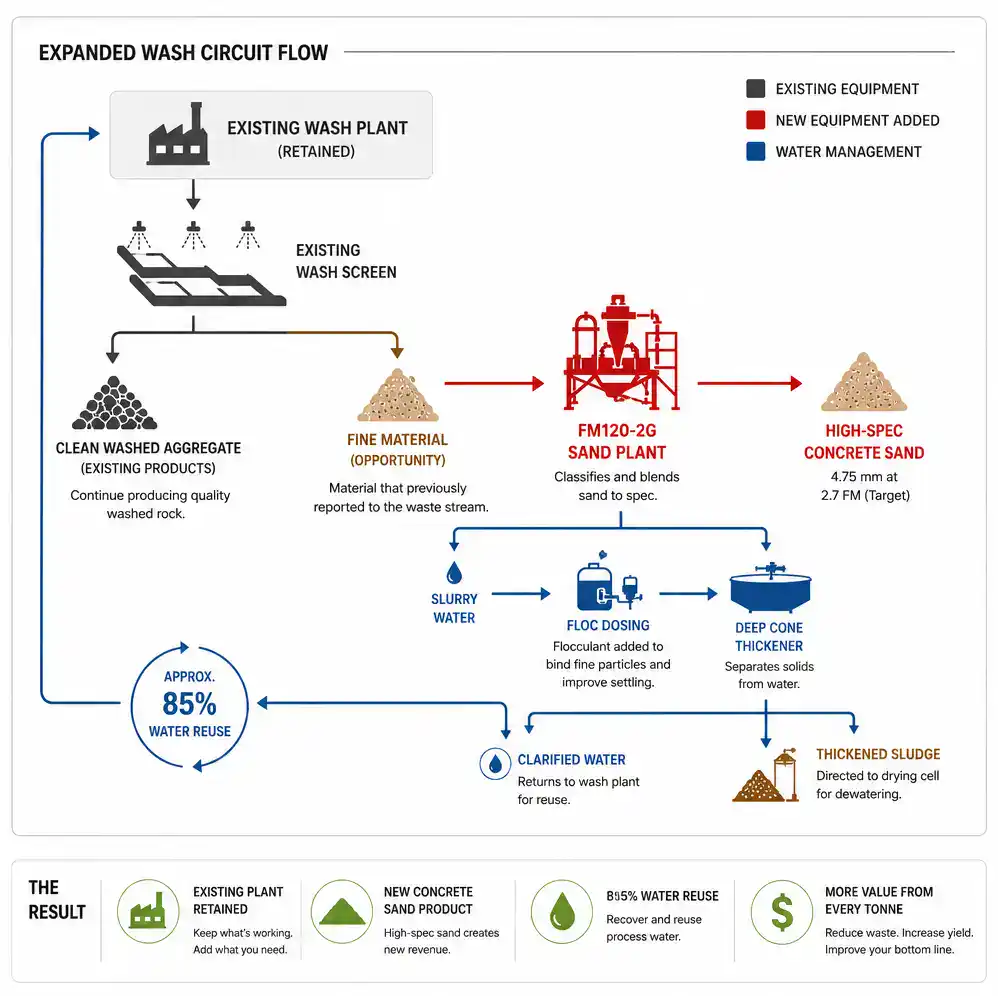
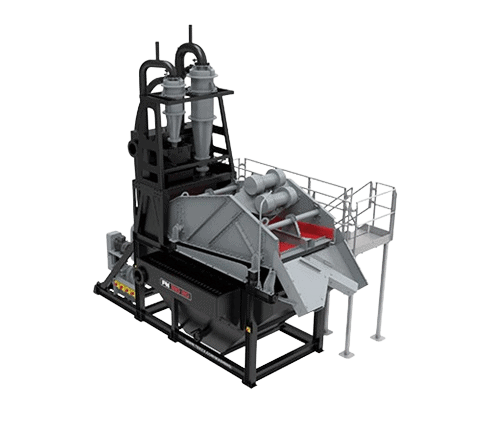 The expanded wash circuit directs fine material that would previously have reported to the waste stream into a Terex Washing Systems FM120-2G.
To recover fine concrete sand that would normally be lost, Foreman integrated an FM120 cyclone and dewatering system into the existing plant.
The FM120-2G classifies and blends the sand to produce a high-spec 4.75 mm concrete sand with a target fineness modulus (FM) of 2.7.
Instead of treating those fines as waste, BA Dawson is creating a valuable product from material that was already being processed.
The result is improved product recovery, greater operational efficiency, and an additional revenue opportunity without replacing the existing wash plant.
Water Recovery in a Compact Footprint
Recovering additional sand also means managing more fine material.
To support the expanded wash circuit, BA Dawson integrated a Terex Washing Systems deep cone thickener and floc dosing system into the operation.
The process begins by adding flocculant to the dirty process water. The flocculant binds fine suspended particles together, allowing them to settle more efficiently. Operators regularly perform settling tests to verify that the floc dosage is optimized as material conditions change.
The treated slurry then enters the deep cone thickener where solids separate from the water.
Clarified water flows through a compact lock-block water storage system before being returned to the wash plant for reuse.
The concentrated sludge is directed to a dedicated drying area where it can be excavated and dewatered further.
Together, these systems allow BA Dawson to recover and reuse approximately 85% of its process water while reducing the footprint required for water management compared to traditional pond systems.
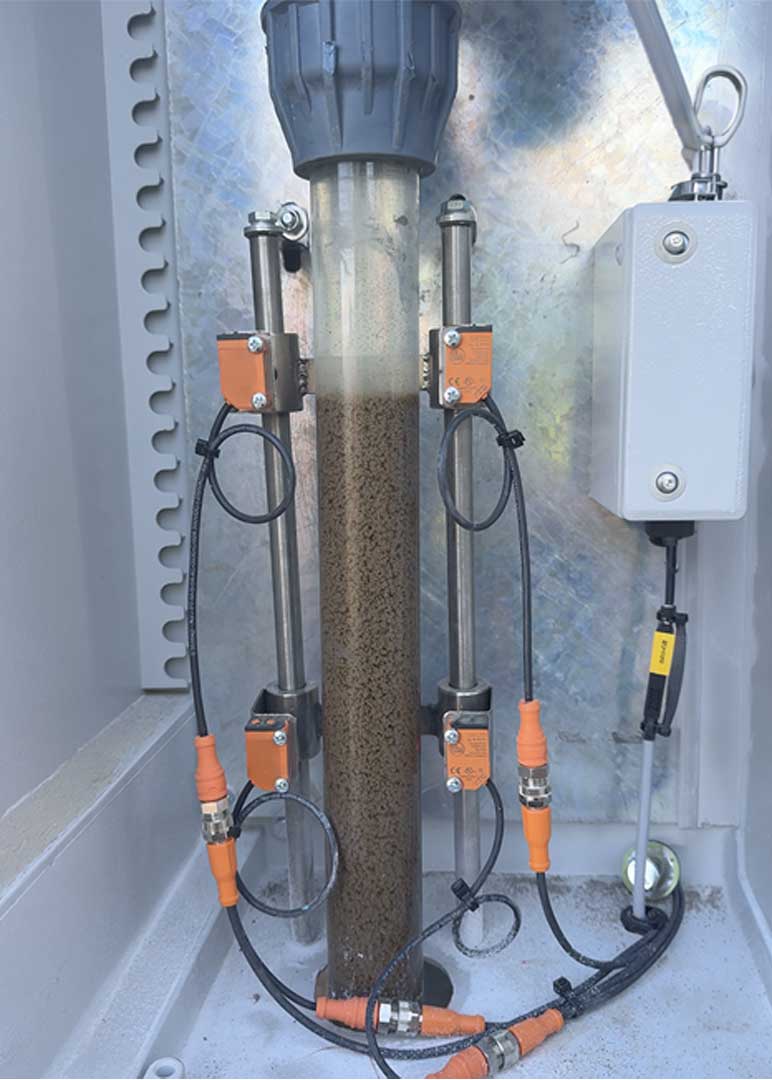
Optimize Flocculent Dose
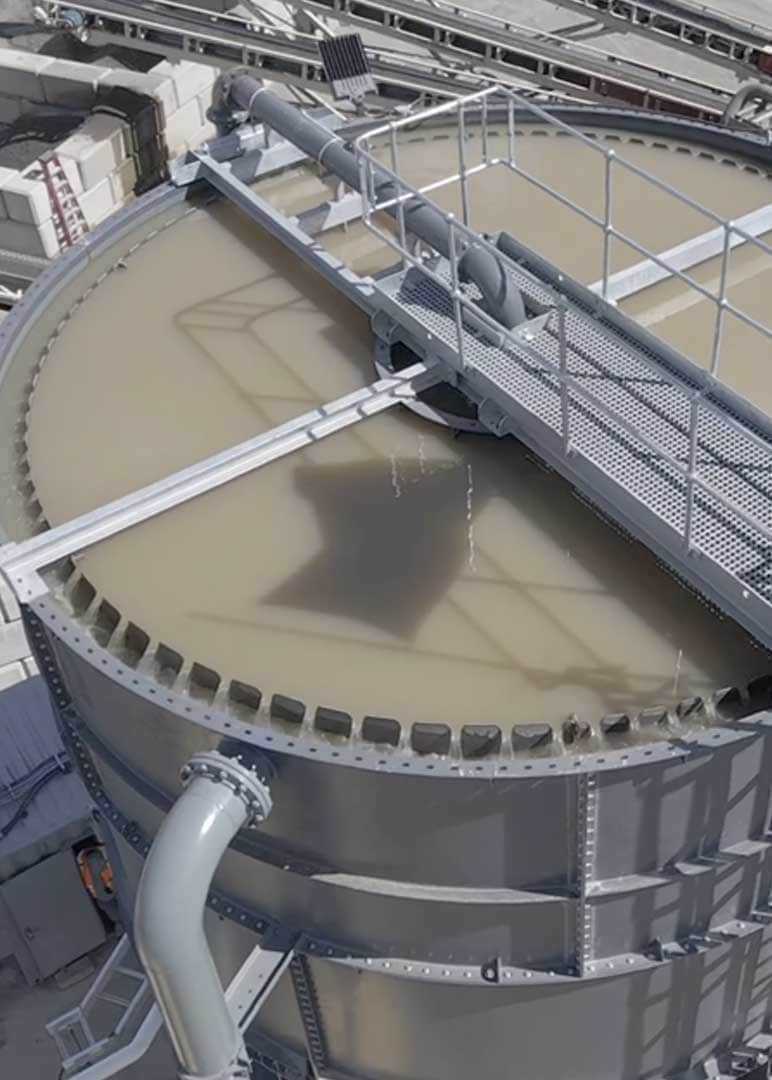
Clarify Process Water
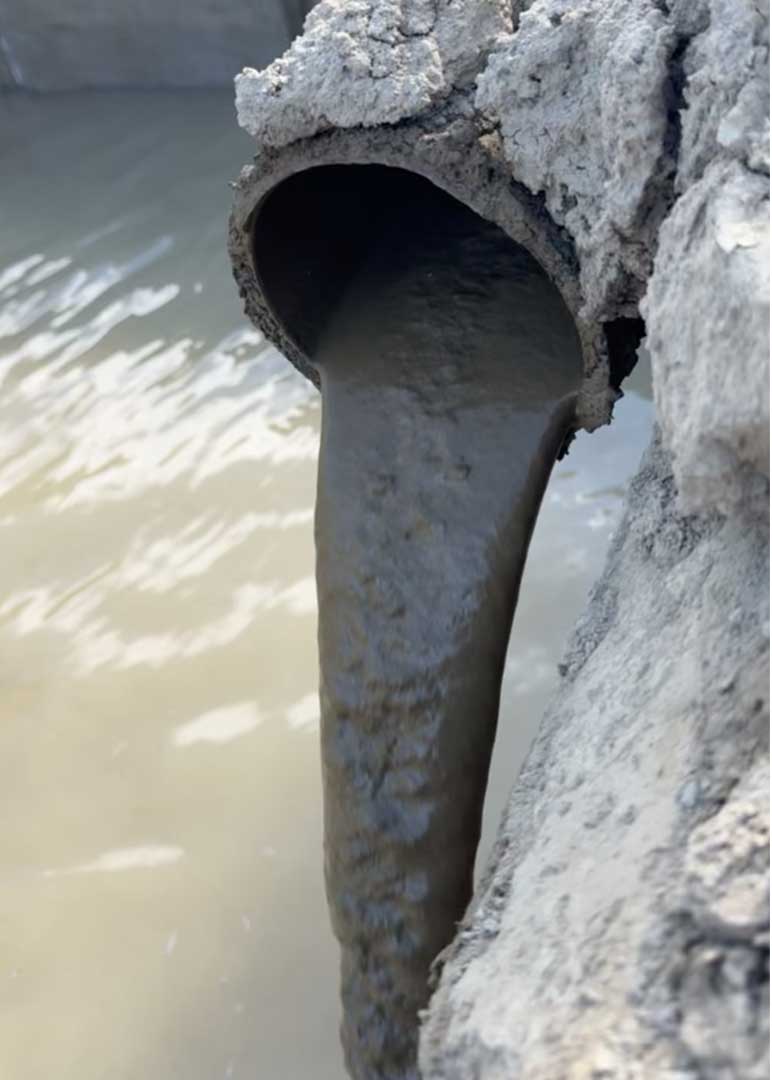
Recover Process Water
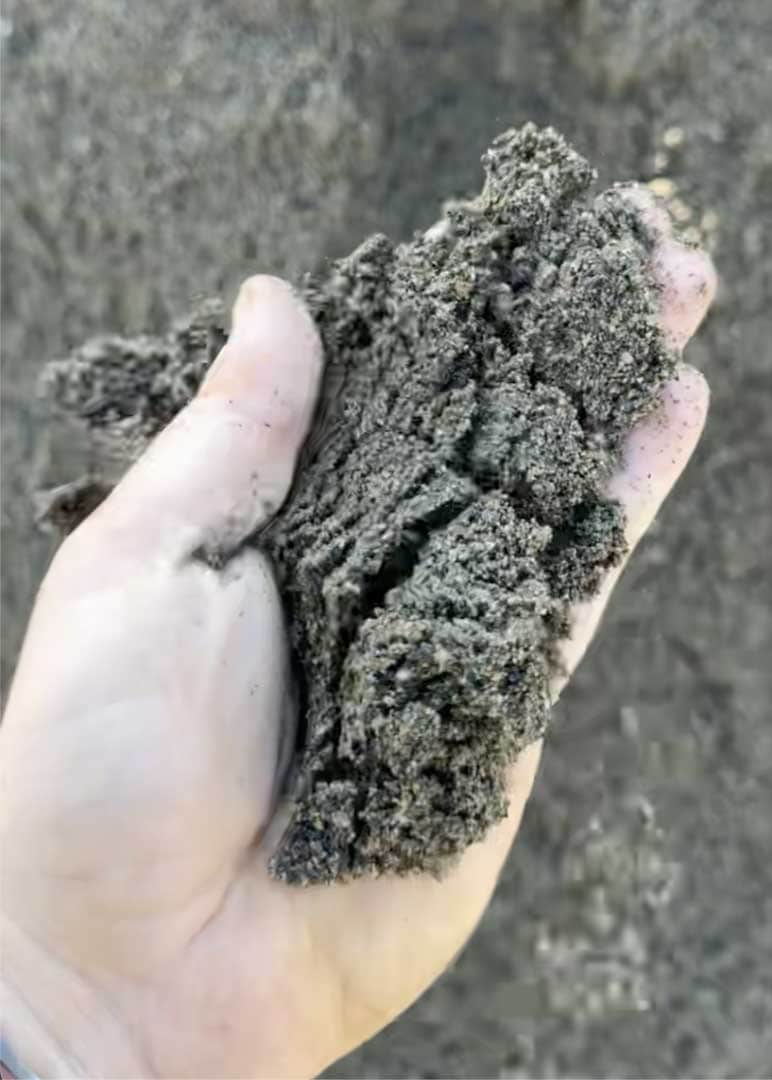
Producing High-Spec Concrete Sand @2.7 FM
Frequently Asked Questions
Can I expand my existing wash plant?
Yes. Many producers can increase product recovery by adding sand classification and water management equipment to an existing washing circuit rather than replacing the entire plant.
What happens to waste sand in a wash plant?
Depending on the operation, waste sand can often be recovered and processed into a saleable product such as high-spec concrete sand using sand classification equipment.
What is a deep cone thickener?
A deep cone thickener separates solids from process water, allowing clarified water to be reused while concentrating sludge for easier handling and disposal.
Why is flocculant used in aggregate washing?
Flocculant causes fine suspended particles to bind together, allowing them to settle more quickly and improving water clarification and recycling.
How much water can an aggregate wash plant reuse?
With the appropriate water management system, many aggregate operations can recover and reuse a significant portion of their process water. In BA Dawson’s application, approximately 85% of process water is recovered and recycled.
Looking to Recover More Saleable Material?
Whether you’re dealing with waste fines, water management challenges, or the need for tighter product specifications, Foreman Equipment can help design a washing solution tailored to your operation.
Contact our washing specialists to learn how Terex Washing Systems equipment can help maximize product recovery and water reuse at your site.
Call Toll-Free In Western Canada 1-888-852-9021