
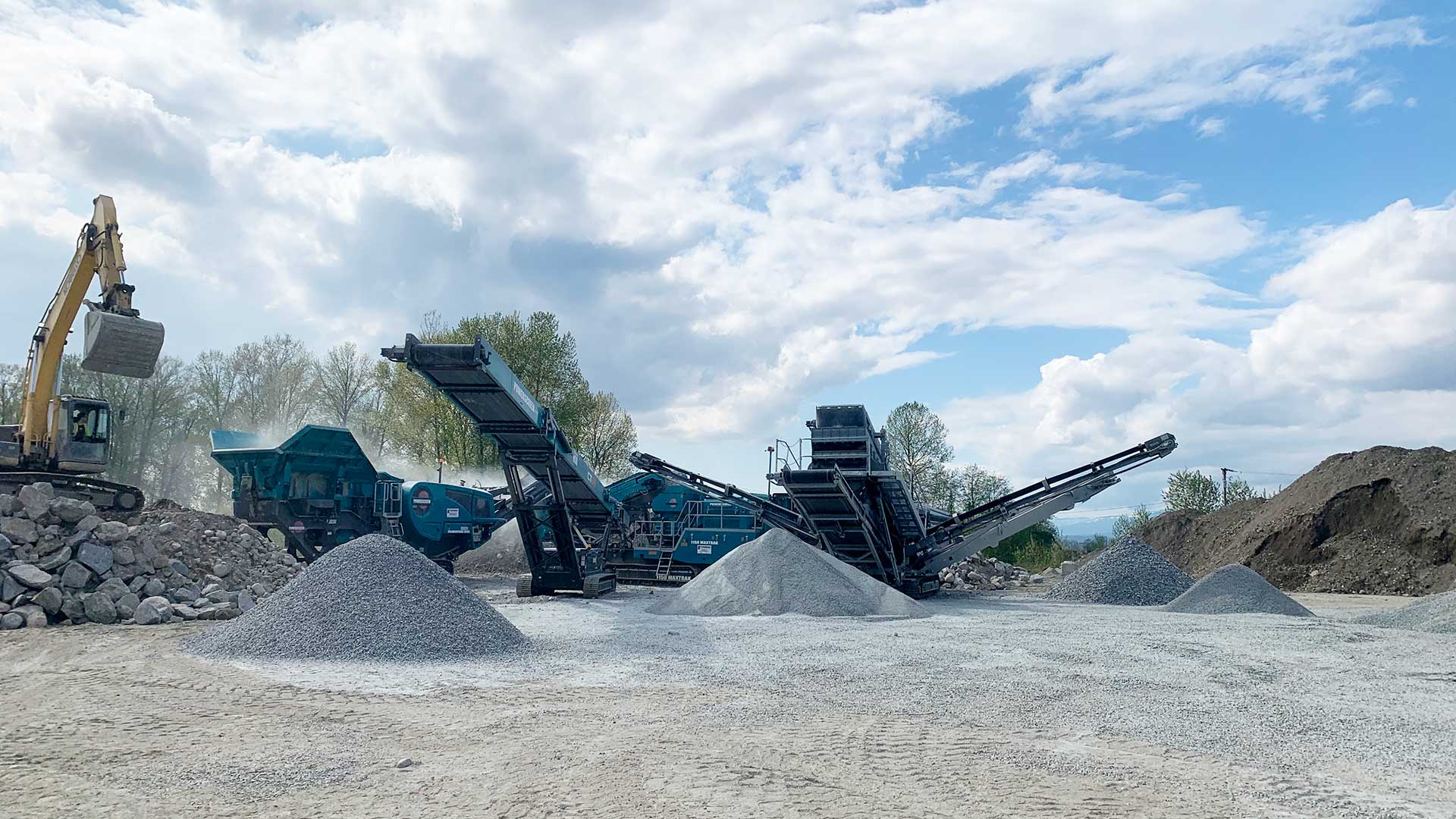
Construction aggregates are granular materials such as crushed stone, gravel and sand used to build roads, concrete, asphalt, drainage systems and other infrastructure. They may come from natural deposits, quarried rock or recycled construction materials. Before use, aggregates are typically crushed, screened, classified and, when necessary, washed to produce material with the required size and characteristics for a particular application.
What Are the Main Types of Construction Aggregates?
Crushed Stone
Produced by crushing quarried rock into specified sizes. Commonly used for road base, concrete aggregate, drainage and structural applications.
Gravel
Naturally occurring rounded or partially rounded rock that may be screened, crushed or washed depending on the required product.
Sand
Fine aggregate used extensively in concrete, asphalt, bedding and other construction applications. Depending on the deposit and specification, sand may require washing and classification.
Recycled Aggregate
Concrete, asphalt and other suitable construction materials can be processed into usable aggregate products rather than being hauled away as waste.
What Are the Main Types of Aggregates and Their Uses
APPLICATION
TYPICAL ROLE OF AGGREGATE
Roads & Highways
Base, sub-base and surface materials
Concrete
Provides bulk, strength and dimensional stability
Asphalt
Forms the mineral structure of the pavement
Drainage
Allows water movement while providing structural support
Site Development
Fill, grading and stabilization
Rail
Ballast supporting and stabilizing track
Landscaping
Drainage, pathways and decorative applications
How are Construction Aggregates Made?
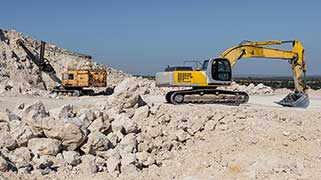
1. Extraction or Material Recovery
Natural aggregates may originate from quarries and pits, while recycled aggregates can begin with concrete, asphalt or other suitable recovered construction material.
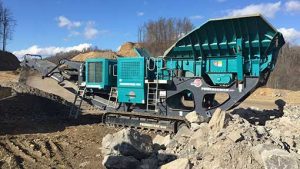
2. Primary Crushing
Large feed material is reduced to a manageable size using a crusher selected for the material and desired product.
→ Learn more about jaw crushers
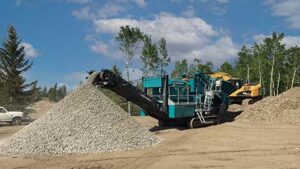
3. Secondary & Tertiary Crushing
Not every operation requires multiple crushing stages. Depending on the feed material and required finished product, secondary or tertiary crushing may be used for additional size reduction, shaping or product control.
→ Learn more about cone crushers
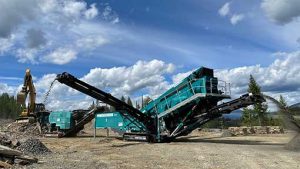
4. Screening and Sizing
Screens separate material into different size fractions, remove oversize material and help operators produce consistent finished products.
→ Explore inclined screens
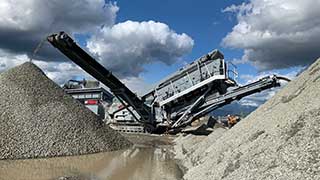
5. Washing and Classification
When feed material contains unwanted fines, clay, silt or other contaminants, washing can help produce cleaner, specification-ready aggregate and sand products. Depending on the application, the process may also include classification and dewatering to control fines and finished-product moisture.
→ Explore washing & classifying equipment
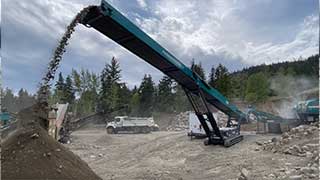
6. Stockpiling and Material Handling
Once processing is complete, finished aggregates are conveyed to separate stockpiles according to size and product specification. Keeping finished products separated helps maintain consistency and prevents different aggregate sizes from becoming mixed before they are loaded for transport or used on site.
Proper handling is also important. Excessive movement or poorly managed stockpiles can cause segregation, where coarse and fine particles separate within a graded aggregate. The goal is to preserve the characteristics of the finished product from the processing plant through to its final use.
Natural vs. Recycled Construction Aggregates
Natural Aggregate
Recycled Aggregate
Produced from natural deposits or quarried rock
Produced from suitable recovered construction materials
Crushed, screened or washed as required
Provides bulk, strength and dimensional stability
Established source for construction materials
Returns suitable demolition material to productive use
Quality depends on feed material, contamination and processing
Produced from suitable recovered construction materials
Source: Quarries and natural deposits
Source: Concrete, asphalt and other suitable recovered materials
Long-established source for construction materials
Can return demolition material to productive use
Quality depends on source and processing
Quality depends on feed material, contamination and processing
Why Aggregate Size and Gradation Matter.
Not all aggregate is created for the same job. The size of the particles, and the distribution of different particle sizes within the finished material, can have a significant effect on how that aggregate performs.
Gradation describes the distribution of particle sizes within an aggregate product. Some applications require material containing a controlled range of coarse and fine particles, while others call for a much narrower or more uniform size. The required gradation depends on how the aggregate will ultimately be used.
For example, a well-graded road base contains a range of particle sizes that allows smaller particles to fill the spaces between larger ones, helping the material compact into a dense, stable layer. Other applications, such as drainage, may require a more uniformly sized aggregate with fewer fines so water can move through the material.
Producing the required gradation is where the processing system becomes important. Crushing controls how the feed material is reduced and can influence particle shape. Screening separates material into defined size fractions, while washing and classification can remove or control unwanted fines and contaminants.
The objective isn’t simply to make smaller rock. It’s to consistently produce an aggregate with the size, gradation, cleanliness and characteristics required for its intended use.
AGGREGATE SIZE & GRADATION
It’s not just the size of the rock. It’s the mix of sizes in the fininshed product.
Uniformly-Sized Aggregate
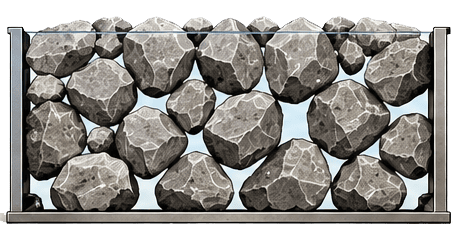
- Narrow range of particle sizes
- More void space
- Useful where drainage is important
Large voids between particles allow water to flow through.
Well-Graded Aggregate
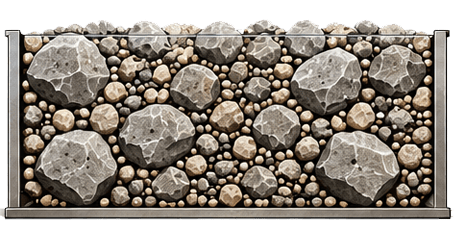
- Controlled range of particle sizes
- Smaller particles fill the voids
- Dense, stable material when compacted
- Common in applications such as road base, concrete base, and general construction
Well-graded mix = fewer voids, better compaction, and greater stability.
Excess Fines
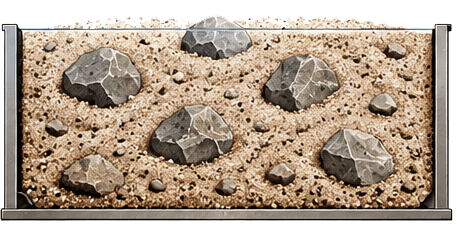
- Too much fine material for the intended specification
- Can change drainage and compaction characteristics
- Screening, washong or classification may be required
Excess fines can affect drainage, compaction and finished-product performance.
The Right Aggregate Starts With the Right Process
Producing construction aggregate isn’t simply a matter of making big rocks smaller. The finished product depends on the source material, required gradation, cleanliness, particle shape, production target and end use.
That means the right process may involve crushing, screening, washing, conveying or a combination of each.
Foreman Equipment works with aggregate producers throughout British Columbia to configure mobile and modular processing systems around the material they’re working with and the product they’re trying to make.
The Right Process Produces The Right Aggregate
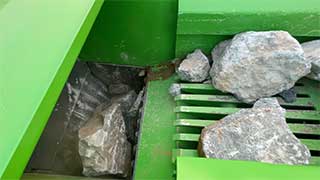
1. CRUSH
Controls reduction & influences product shape.
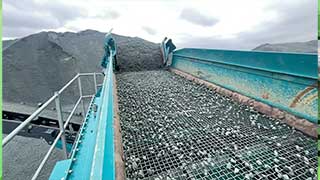
2. SCREEN/ SIZE
Separates particle sizes
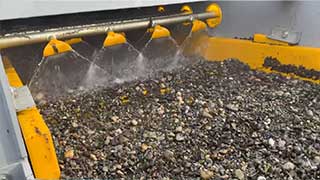
3. WASH / CLASSIFY
Removes contaminants, sorts fines by size
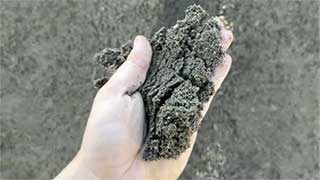
4. FINISHED PRODUCT
Consistent, specification-ready aggregate for the job
Know the required finished product. | Design the process. | Produce with consistency. | Deliver performance.
Trying to Produce a Better Finished Aggregate?
Tell us what you’re feeding the plant and what you’re trying to make. We’ll help you work backwards from the finished product to the equipment and process required.
Frequently Asked Questions
What are the three main types of construction aggregate?
The three most common types of construction aggregate are crushed stone, gravel and sand. Crushed stone is produced by processing larger rock, while gravel and sand may come from natural deposits and can be screened, crushed or washed to meet the requirements of a particular application.
What is the difference between gravel and crushed stone?
The primary difference is how the material is formed and processed. Gravel is naturally occurring material that typically has smoother, more rounded particles due to natural weathering and movement. Crushed stone is mechanically produced by crushing larger rock, generally resulting in more angular particles.
Those differences in particle shape and size can affect how the material compacts, drains and performs, which is why the intended application matters when selecting an aggregate.
Why are construction aggregates washed?
Construction aggregates may be washed to remove or control unwanted clay, silt, excess fines and other contaminantsin the feed material. Washing and classification can also help producers create cleaner, more consistent sand and aggregate products that meet the requirements of their intended application.
Not every aggregate needs to be washed. Whether washing is necessary depends on the source material, the contaminants present and the specifications of the finished product.
What is aggregate gradation?
Aggregate gradation is the distribution of different particle sizes within an aggregate product. A well-graded aggregate contains a controlled range of particle sizes, while a more uniformly graded product contains particles within a narrower size range.
The required gradation depends on the application. Road base, for example, typically uses a range of particle sizes to help the material compact into a dense, stable layer, while drainage applications may require more uniformly sized material with fewer fines.
Can demolished concrete be reused as aggregate?
Yes. Suitable demolished concrete can be processed into recycled aggregate rather than being disposed of as waste. The material is typically sorted to remove unwanted contaminants, reduced using crushing equipment and screened into usable size fractions. Additional processing may be required depending on the feed material and intended end use.
Recycled concrete aggregate can be used in applications such as road base, backfill and other construction products, provided the processed material meets the requirements for that application.