
Cyclones vs Sand Screws: Which One Actually Recovers More Sand (and Makes You More Money)?
Why the Right Separator Really Matters
Choosing the wrong sand separator doesn’t just affect your material… It quietly bleeds profit out of your operation.
Lost fines. Wet product. Extra cleanup. More wear.
And most of the time, you don’t even realize it’s happening.
If you’re trying to hit spec, stay compliant, and actually get paid for what’s in your pile, the choice between a sand screw and a cyclone system matters more than most people think.
The Simple Difference (No Jargon)
Here’s the easiest way to think about it:
- Sand screws move material and wash it mechanically
- Cyclones use water pressure to separate particles precisely
One is simple and forgiving. The other is precise and efficient.
The right choice depends on your material… and how much of it you’re willing to lose.
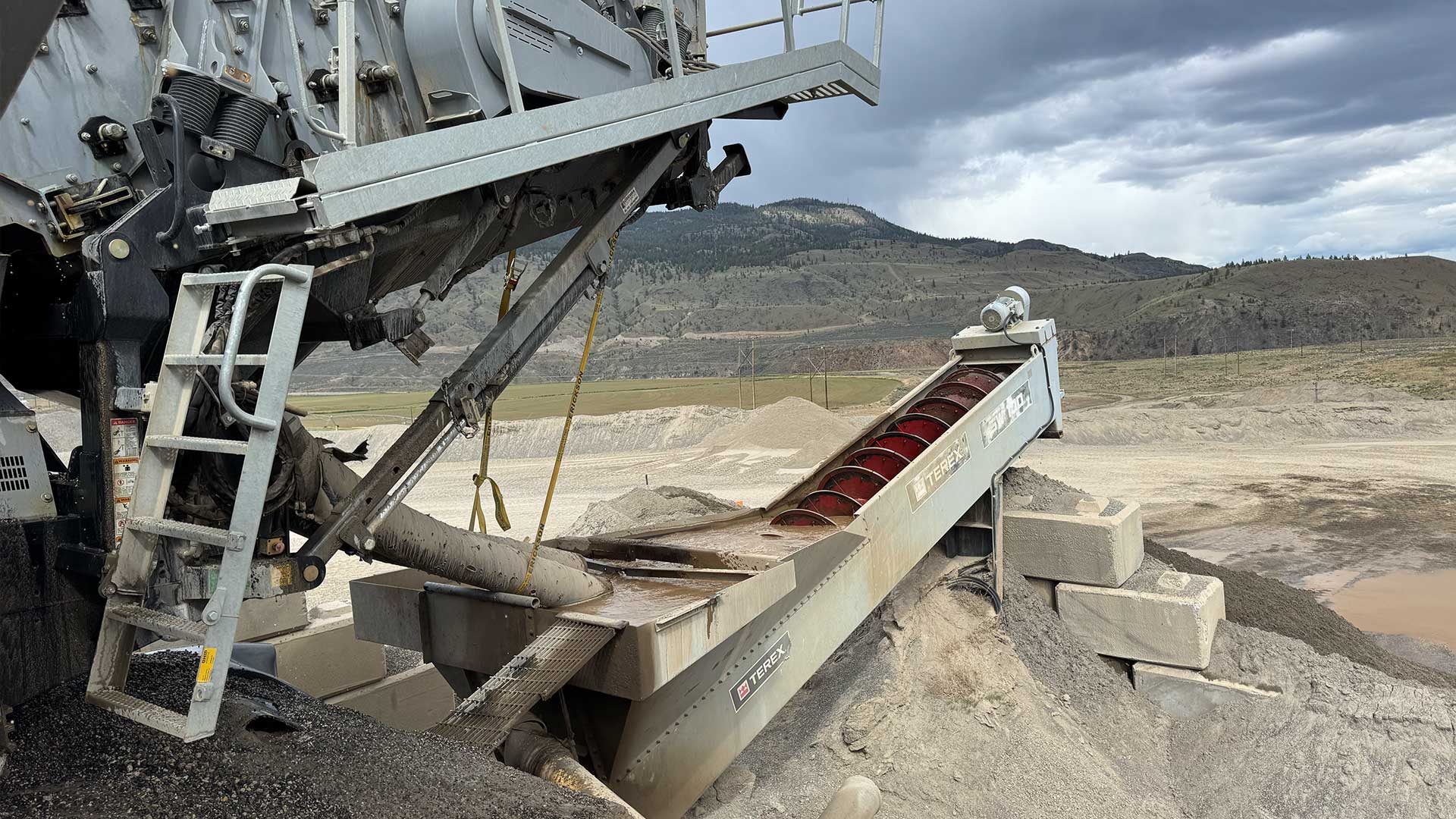
Sand Screws: The Old Reliable Workhorse

If you’ve been in the game a while, you’ve probably run a sand screw. They’re tough, forgiving, and dead simple to operate. They handle coarse, abrasive feed like a champ and don’t freak out when conditions aren’t perfect. Plus, they’re relatively affordable upfront and easy to maintain.
But here’s the tradeoff.
Sand screws have a tendency to toss fine and ultra-fine particles into the settling pond. That means you’re not just losing fines… you’re washing sellable product straight down the drain.
They also leave your sand pretty wet, which leads to sloppy conveyors, gummed-up bearings, and more site cleanup than anyone wants.
And most operations don’t even realize how much they’re losing.
What’s That Really Costing You?
Every grain of usable material that slips away with your process water is money lost. Add in the time and cost of replacing wear parts, babysitting gearboxes, and dragging hoses around to clean up wet messes, and you’ve got a real productivity problem on your hands.
Cyclones: Cleaner, Drier, Smarter
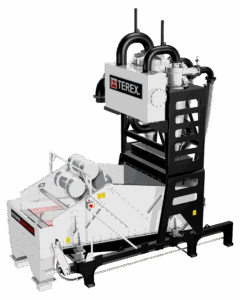
Cyclones are the upgrade to the old-school screw.
Instead of dragging sand up an incline, they use water pressure and physics to separate particles with precision. That means you’re not just cleaning sand… you’re controlling exactly what stays in your final product.
When paired with a dewatering screen, cyclones produce sand that’s noticeably drier and easier to handle, typically around 14–15% moisture. Fewer puddles, cleaner conveyors, and a lot less time spent dealing with wet, sloppy material.
But the real advantage shows up where most operations lose money.
Cyclones recover fines that would otherwise end up in your settling pond. Instead of washing product away, you’re capturing more of what’s already in your feed.
And because there are no augers or gearboxes, maintenance is simpler than most people expect. Pumps and vibratory motors do the heavy lifting.
It’s not just a different machine.
It’s a more precise way to turn the same material into more sellable product
The difference isn’t just how the machines work…
it’s how much of your material you actually get paid for. It really comes down to your operation:
So… Which One Should You Choose?
Stick with sand screws if:
- Your material is coarse and consistent
- You need a simple, low-cost setup
- You can afford to lose some fines

Upgrade to cyclones if:
- You’re losing fines (even if you don’t see it)
- You need tighter spec control
- You want to recover more product from the same feed
This is where operations stop leaving money on the table.
Water Use vs. Water Recovery: It’s Not What You Think
Yes, cyclone systems typically use more water than sand screws.
But that’s only half the story.
The real question isn’t how much water you use… it’s how much value you get back from it.
Cyclones recover significantly more fines, which means more sellable product from the same feed. And when paired with the right setup, they can actually improve your overall water management by reducing waste and tightening your process.
In other words, it’s not just water use.
It’s water working for you instead of against you.
Good for Business, Good for the Planet
With regulations tightening and water becoming an increasingly valuable resource, cyclone systems make it easier to stay compliant. They reduce your pond size, clean up your site, and cut down your water loss, all while helping you recover more sellable material.
The Bottom Line
Sand screws still have their place, but if your operation is pushing for tighter specs, better margins, and smarter water use…the real question is:
Are you okay losing material you could be selling?
Or are you ready to recover more, dry faster, and get paid for what’s already in your pile?
Let’s Look at Your Material (and Find What You’re Losing)
Every operation is different.
But once you see what’s actually happening in your material, the right system becomes obvious.
We’ll walk your setup, look at your feed, and show you exactly where you’re losing value.
Fill out the form, or give us a call.